Size and fit guidance. What brands test to help shoppers pick a size.
Size and fit guidance is everything on the product page that helps a shopper pick the right size first time: size guides, fit tips, size finders and the size picker itself. ABSee records brands testing it; its figures are being refreshed.
Updated October 2026 · Source: ABSee record · Methodology →
What brands tried with size guides and fit finders
The experiments in the record fall into a few themes.
Fit notes by the picker. Several brands added a short line of fit guidance next to the sizes: "size up", "go up half a size", "wide width", or a small scale running from small to large.
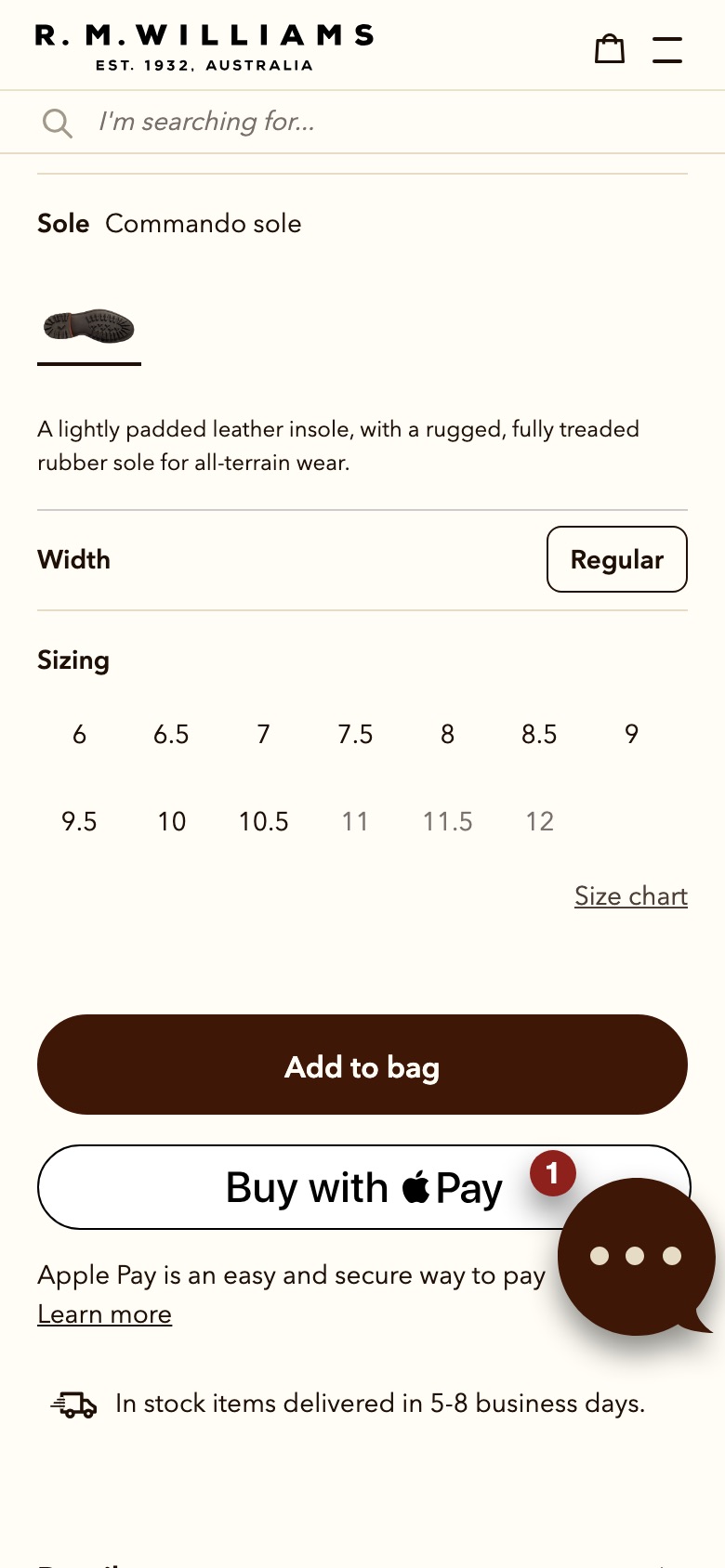
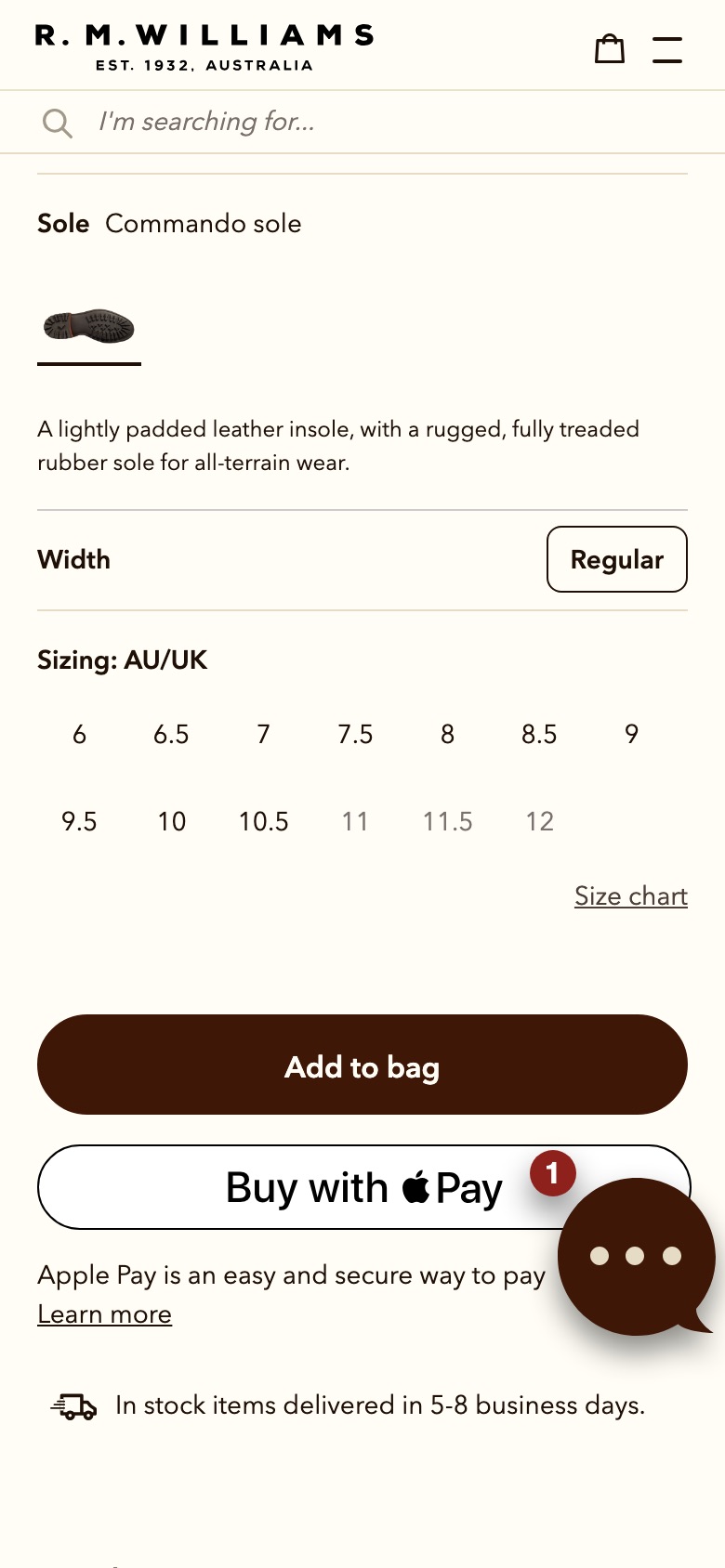
The picker itself. Several redesigned the size picker: a dropdown against visible buttons, sizes opened in a pop-up, a grid of three per row, or the size pre-selected from the filter the shopper had already used.
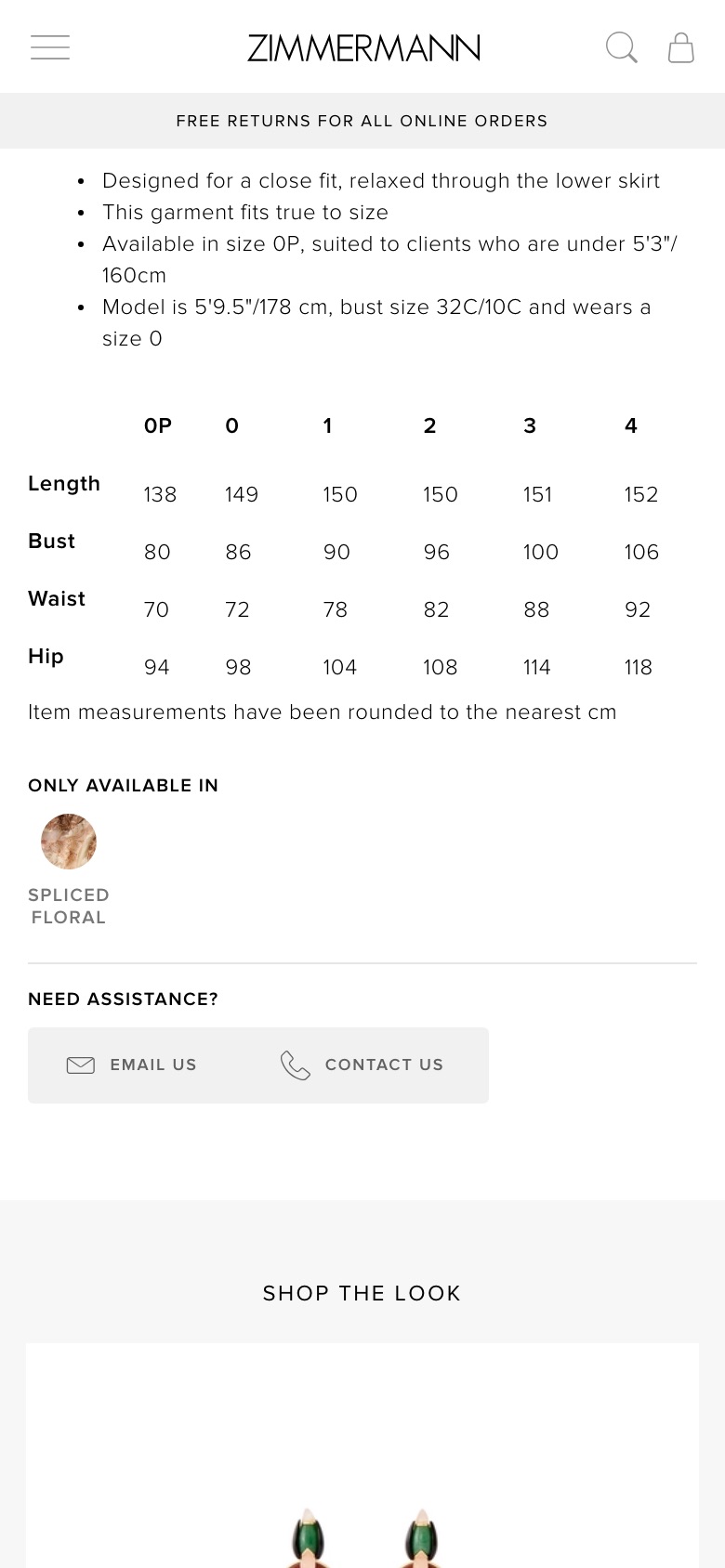
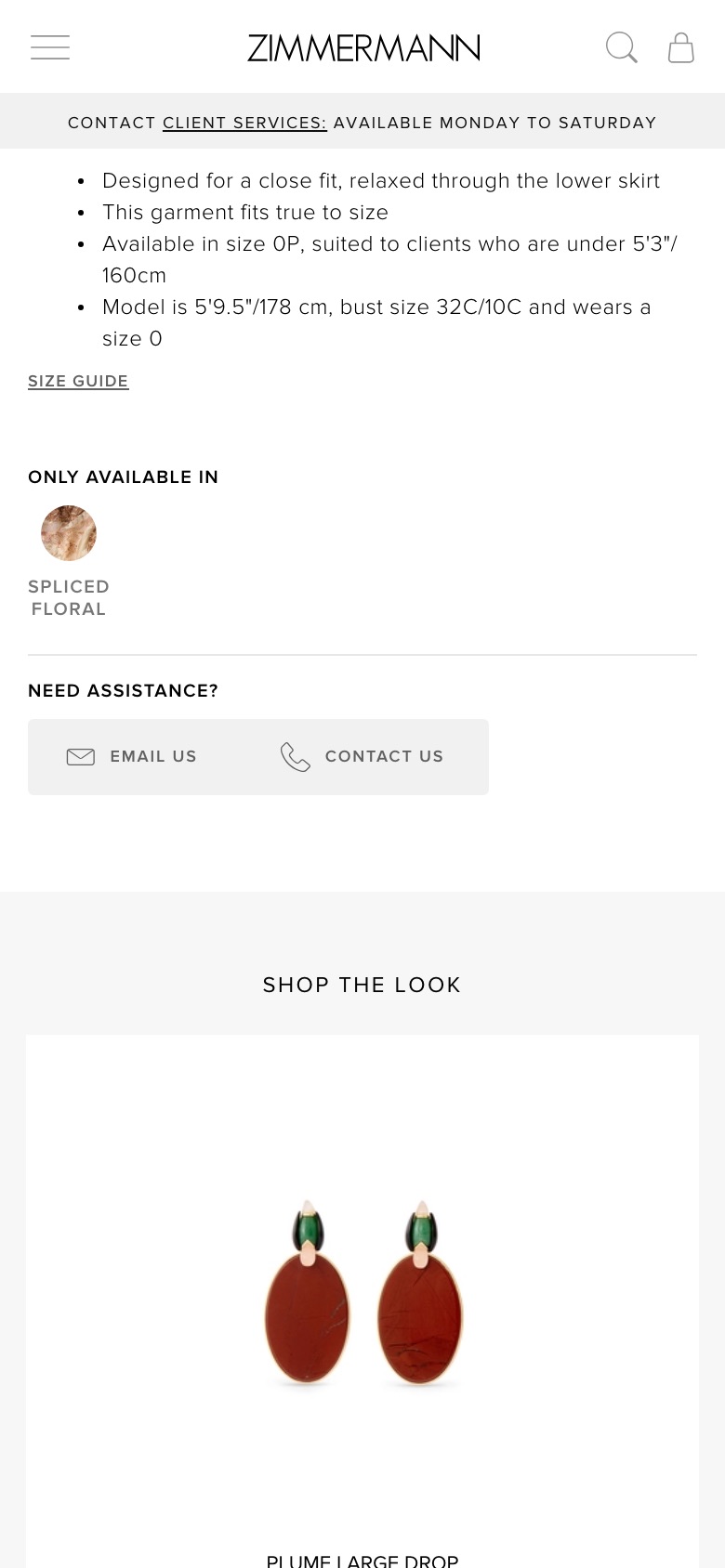
Guides and size tools. Several changed the size guide or the size tool: a guide added where there was none, a guide rewritten as short fit bullets, a guide based on body measurements or height, a size-finder form, or the tool removed or relabelled ("What's my size?").
Sizing systems. A couple added notes on sizing systems: US and UK sizes, EU equivalents, international size charts.
Labels and buttons. A couple changed the words around size: the buy button asking for a size first, or the "Sizing" label above the options renamed.
Size and fit examples, before and after
Public examples from the record, with the page before and the version tested. The chip shows what the brand did next: Kept means the tested version became the page; Rolled back means the original stayed. Outcome pending means the test ended and its outcome is being confirmed.
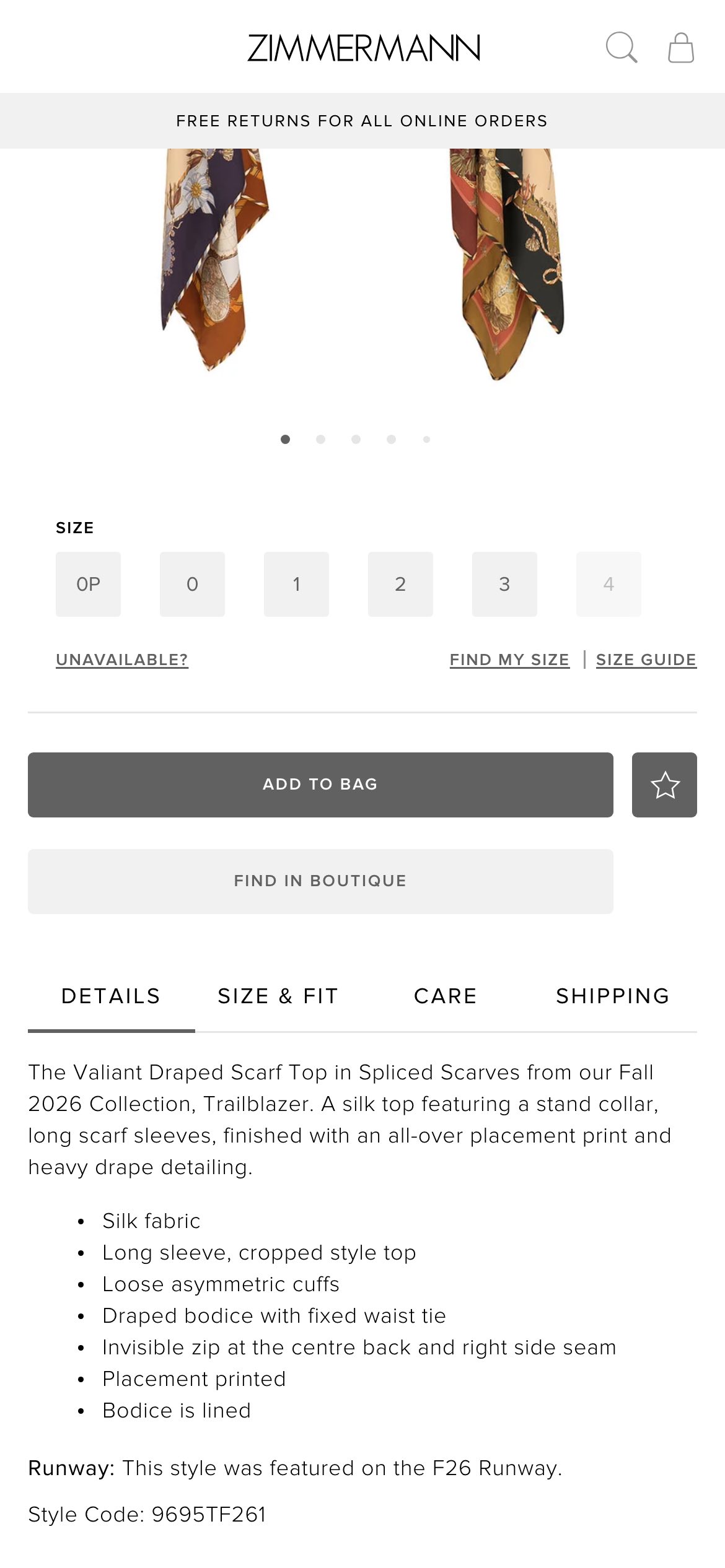
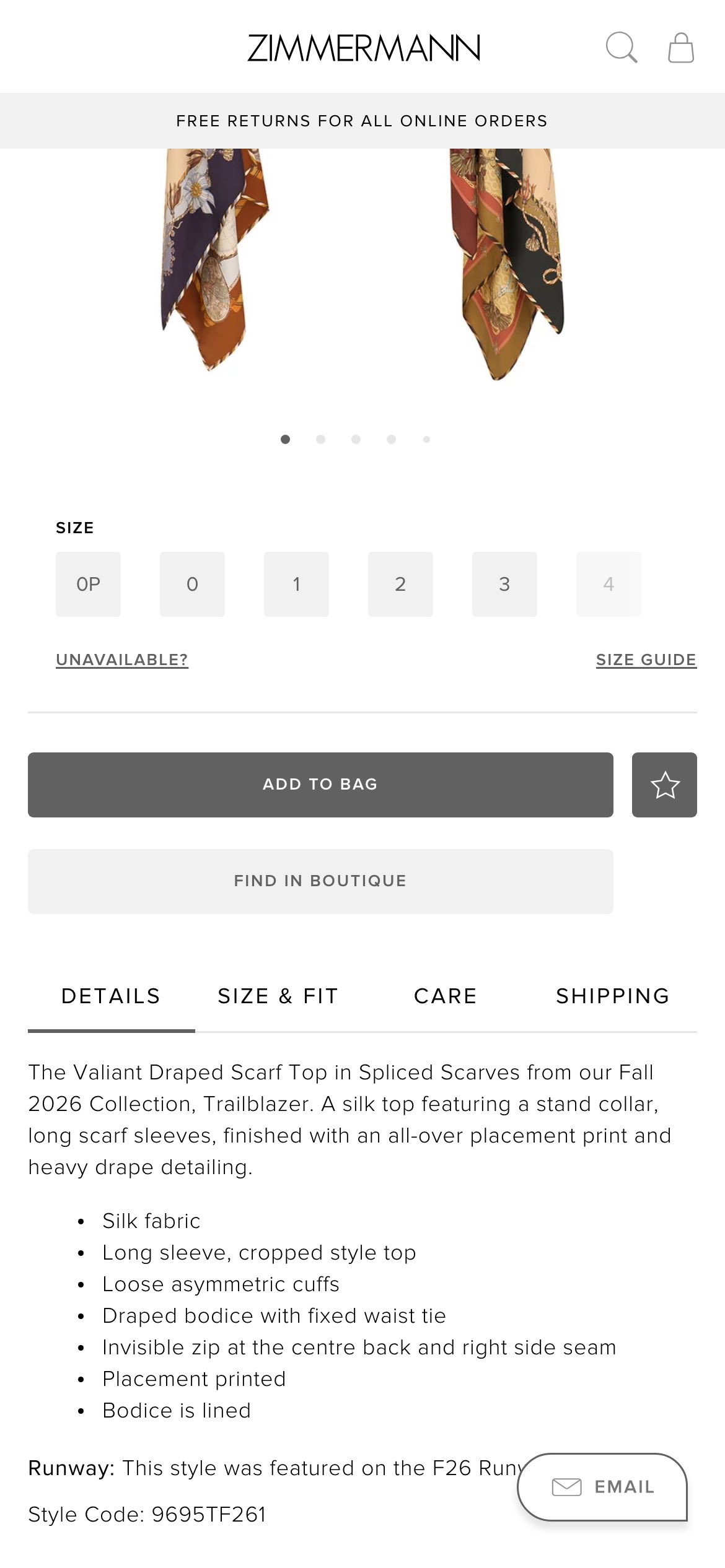
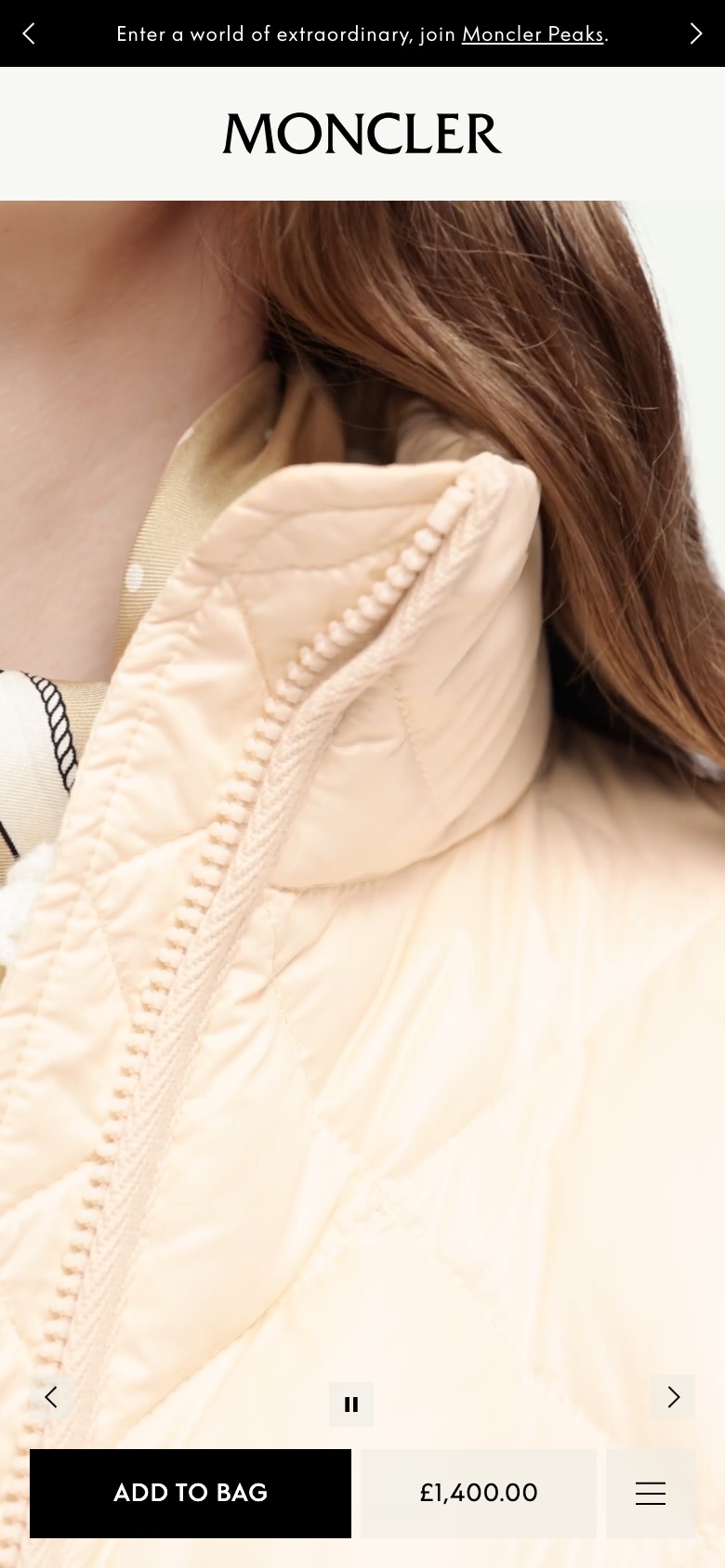
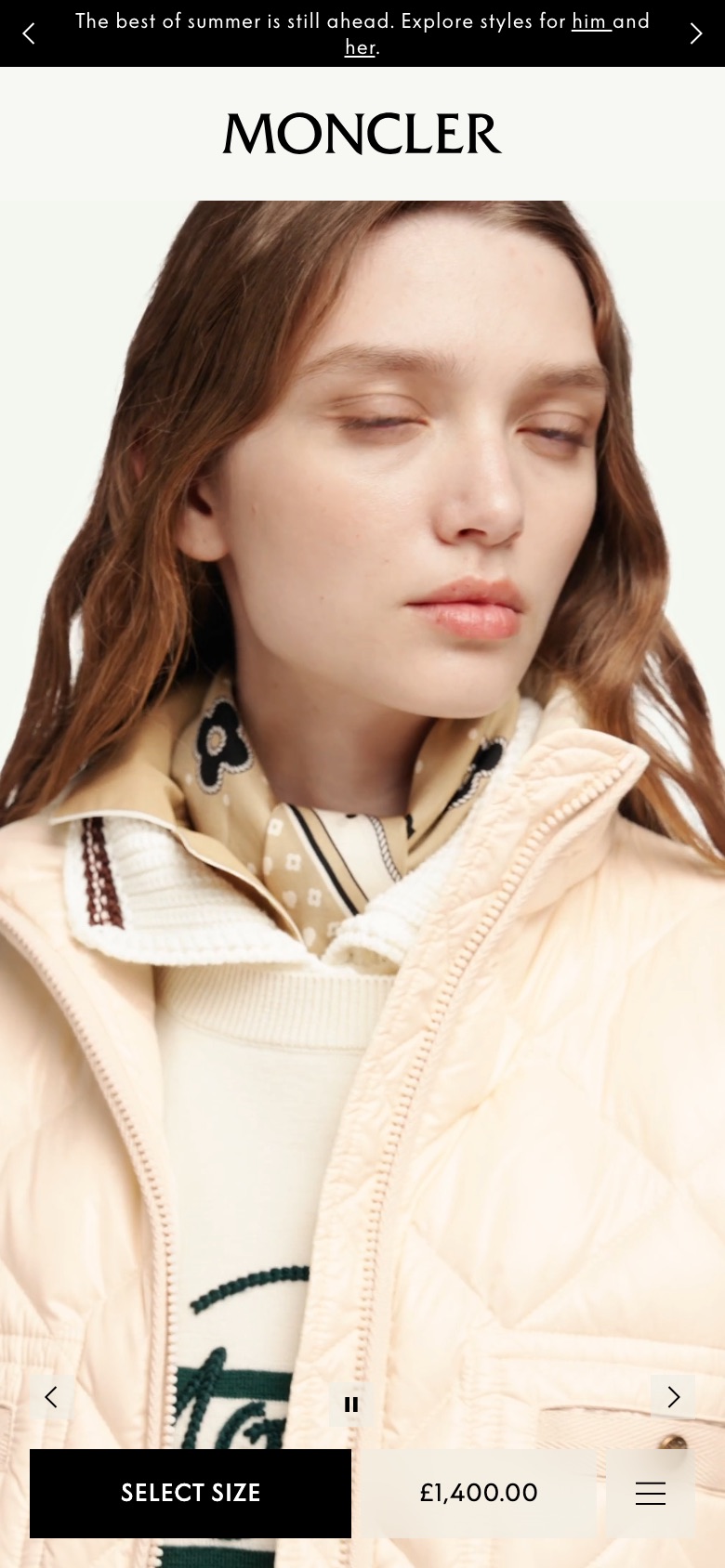
Hides the automated size recommendation and measurement button.
Likely hypothesis
By removing the automated sizing tool, we can increase add-to-cart conversion, because shoppers avoid the cognitive load of a secondary decision-making widget and proceed directly to purchasing.
Seen 21 Jul to 5 Aug 2026
Problem being solved and strategic takeaway
Problem being solved
Secondary sizing tools can add friction and distract users from selecting a size to buy.
Strategic takeaway
Removing secondary decision-making widgets can decrease cognitive load and streamline the main conversion funnel.
What changed Adds a size guide link directly to the product details section.
Seen 14 Jul to 1 Sep 2026
Outcome pending
Read these as evidence, not results: each card shows what one brand did next, not the lift behind it.
Why brands test size and fit guidance
A shopper who is unsure of their size has three choices: guess, leave the page to check, or order two sizes and send one back. Size and fit guidance is the set of small changes that try to settle the question on the page instead — a line on how the item runs, a guide or a finder, and the design of the picker that holds the sizes.
Every experiment in this group sits on the product page, almost always next to the size options.
How to use these tests
Treat this page as evidence for a hypothesis, not an answer.
Bring it to your own hypothesis. Name the problem on your own product page that this change would address, and for which shoppers.
Check the record for your category. Look for brands like yours, the version they tested, and what they did next.
Test it yourself. Your own experiment is the only result that applies to your site.
Questions
Size chart, size guide or fit finder: what do brands test?
All three. In the record, several brands added fit notes beside the sizes, several redesigned the size picker, and several changed the guide or tool: added where there was none, rewritten as fit bullets, or based on body measurements.
Do size tools reduce returns?
ABSee does not publish returns or conversion rates, and the record does not measure returns. It shows what brands tried with size guides, finders and pickers. Per-experiment outcomes are in the ABSee plan.
Where should the size guide link go?
ABSee does not recommend a placement. In the record, guidance sits in and around the size picker: fit notes next to the sizes, guides and finders as a link beside the picker or inside the product details, and a couple of buy buttons that ask for a size first.
Ask your assistantWhat have fashion brands tested around size guides and fit tips?
Works in Claude, ChatGPT or Gemini once ABSee is connected.
 ZimmermannProduct page
 MonclerProduct page
 R.M.WilliamsProduct page